
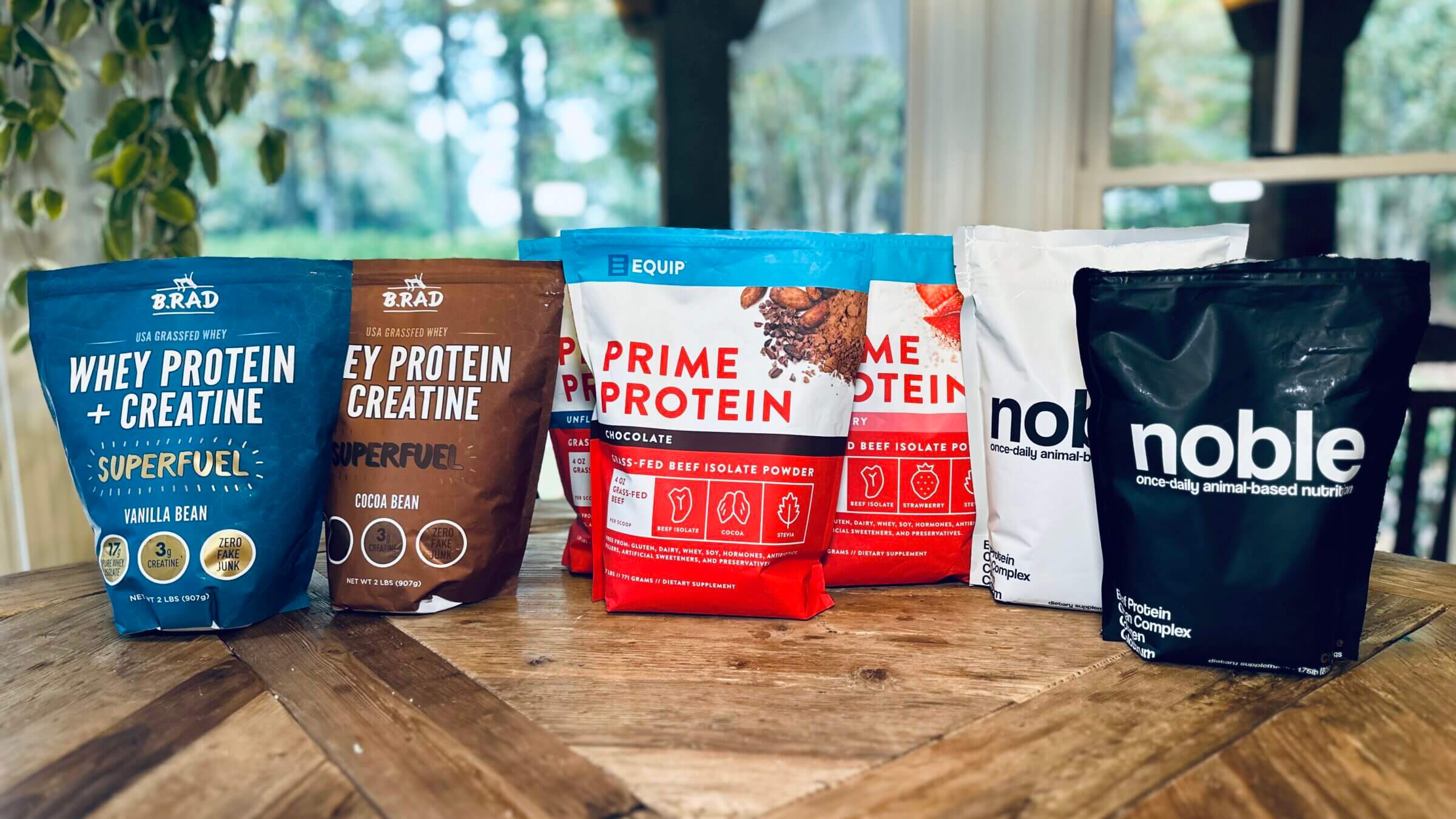
I’ve been leveraging protein powders to boost my daily protein intake since I was a professional track and field athlete in my early 20s. And over the past two decades, I’ve tried just about every type of protein powder available, including beef protein isolate, different types of whey protein (isolate and concentrate), egg white protein, and even some plant-based options.
After digging deep into the research and testing most of them first-hand, I’ve come to a clear conclusion: protein derived from ruminants (i.e., cattle) is what the human body is best adapted to digest and use efficiently.
That’s why I’m a big fan of high-quality beef protein powders made from the muscle, cartilage, and connective tissue of grass-fed cattle as a way to boost total protein intake without relying on dairy, which I don’t tolerate well in larger amounts.
That said, if your diet already revolves around ruminant meat and organs, a clean whey protein – ideally a grass-fed whey concentrate or isolate without emulsifiers, artificial flavors, gums, or flow agents — can be an excellent way to support recovery and muscle growth (if you can tolerate it).
The good news is that you don’t have to stick religiously to one or the other. Depending on what products I have on hand at a given time, I consume a combination of whey and beef protein supplements to get the best of both worlds: a complete amino acid profile, reasonable digestibility, and steady muscle protein synthesis across different absorption rates.
Note: If you’re looking for product recommendations, refer to my lists of the best clean protein powders and the best beef protein powders for high-quality options.
Key Differences Between Beef and Whey Protein
Beef protein and whey protein come from entirely different sources, and their composition reflects that.
Beef protein isolate is usually made from the fleshy bones, connective tissue, and cartilage of cattle. During manufacturing, the protein is extracted while most of the fat and moisture are removed, leaving behind a powder high in collagen-derived amino acids such as glycine, proline, and hydroxyproline.
Many products also undergo hydrolysis, a process that breaks long protein chains down into smaller peptides to improve digestion and absorption. When you see “hydrolyzed beef protein” on a label, it means the protein has been pre-digested for better tolerance.
Beef protein digests slightly slower than whey protein, but it’s typically easier on the stomach and ideal for people who are lactose intolerant or sensitive to milk proteins. While I’m not lactose intolerant, my body odor changes, and I experience mild bloating, when I consume dairy products.
The typical amino acid profile of beef protein powders is rich in glycine and proline, which support collagen production, joint integrity and gut health, making it an excellent option for athletes focused on recovery and connective tissue support.
In contrast, whey protein comes from milk (whey and casein are the two primary proteins found in milk). It’s the liquid byproduct left over from cheese production, which is then filtered, dried, and processed into whey concentrate or whey isolate. Whey concentrate typically contains around 70–80% protein (along with some lactose and fat), whereas isolate is more refined, reaching a protein content of 90% or higher with minimal lactose.
Whey is naturally fast-digesting because of its solubility and amino acid structure. It’s packed with branched-chain amino acids (BCAAs) — i.e., leucine, isoleucine, and valine — which are key drivers of muscle protein synthesis. This rapid absorption and high leucine content make whey one of the most effective proteins for muscle growth.
While whey has the edge in terms of pure muscle-building potential, beef protein isolate offers broader benefits for connective tissue, joint health and overall recovery, all while fitting seamlessly into an animal-based diet. That’s particularly true if you obtain most of the protein your body needs from meat (instead of relying predominantly on protein powders).
Amino Acid Profile and Protein Quality
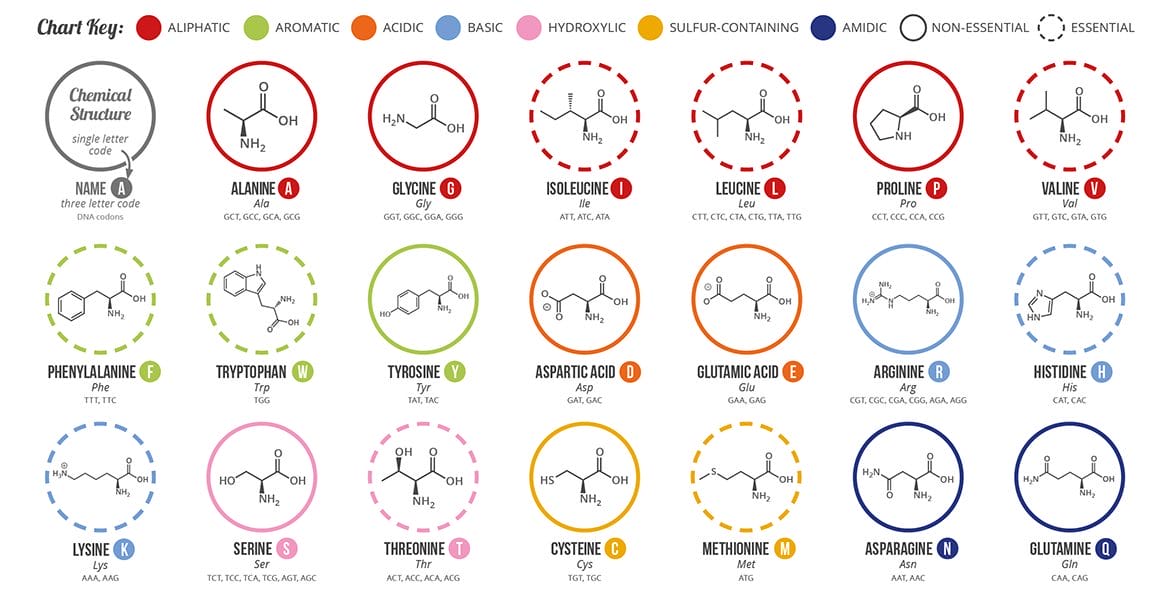
When comparing protein powders, one of the first things people look at is the amino acid profile, and particularly the amount of leucine and other essential amino acids (EAAs) each serving provides.
Why Amino Acids Matter
Proteins are chains of amino acids that your body uses to build and repair muscle, connective tissue, enzymes, and hormones. Of the 20 amino acids, nine are “essential” – a term which means the body cannot produce them and thus must come from food or supplements. Three of these essential amino acids – leucine, isoleucine, and valine – are known as branched-chain amino acids (BCAAs) and play a significant role in muscle repair and growth.
Leucine is particularly important because it acts as the trigger for muscle protein synthesis (aka MPS), which is the process your body uses to build new muscle tissue after training. Without enough leucine (and a complete range of essential amino acids), recovery and muscle growth will be limited.
Whey Protein’s Edge
Whey protein offers one of the most complete amino acid profiles of any protein source. It is naturally high in leucine, (typically accounting for 10-12% of the total amino acid content), and contains all nine essential amino acids in significant amounts.
That combination makes whey highly effective at stimulating MPS, and explains why it scores near the top on quality metrics like PDCAAS and DIAAS, which measure how efficiently your body can digest and utilize protein.
Beef Protein’s Unique Strengths
Beef protein isolate has a different amino acid makeup. It usually contains less leucine and fewer total BCAAs than whey, but provides higher amounts of glycine, proline, and glutamic acid. These amino acids are vital for collagen production, gut lining repair, and connective tissue health. For athletes, that means better support for joints, tendons, and overall recovery.
Not all beef proteins are created equal. Some powders are made primarily from hides or collagen and may lack tryptophan, one of the essential amino acids. When shopping for a beef protein powder, ensure it contains all essential amino acids, including tryptophan, by checking the label or inquiring with the manufacturer.
The reason it’s crucial to consume supplements with complete amino acid profiles is that they enable your body to utilize them fully. Consuming protein powders with incomplete amino acid profiles is akin to attempting to build a brick house using only bricks but no mortar. It won’t work unless all the building materials are available. The same goes for protein utilization. The body won’t use protein with incomplete amino acid profiles to build new cells, hormones or muscle tissue.
Putting It All in Perspective
It’s worth remembering that protein powders are supplements, not replacements for real food. I use them to boost my daily protein intake – usually after a full meal that already includes meat or eggs (and because I like how they taste).
That context matters because some people discount beef protein isolate as a solid protein source. After all, it doesn’t contain the same amount of leucine as whey protein, and a single scoop may not be enough to trigger muscle protein synthesis.
But here’s the catch: between the food I eat and the protein shake that follows, I easily exceed the 2.5 grams of leucine needed to trigger muscle protein synthesis.
If someone were getting their protein exclusively from powders, then whey’s higher leucine content would matter more. But for anyone eating a nutrient-dense, animal-based diet, the difference is marginal. Both whey and beef protein work well as tools to complement real food.
In practical terms, whey provides a quick, leucine-rich boost for muscle recovery, while beef protein boosts your overall intake while supporting connective tissue and gut health.
So when your foundation is built on ruminant meat and organs, it is less about which is “better” and more about which one feels better for your body.
Digestibility and Tolerance
Digestibility is one of the most significant practical differences between beef and whey protein. It’s not just about what looks good on paper — it’s about how your body feels after you drink a shake.
Whey and Lactose Sensitivity
Whey protein comes from milk, so the amount of lactose depends on how much processing it goes through.
Whey concentrate typically contains a few grams of lactose per serving, which can be enough to trigger bloating, gas, or other digestive issues in people who are sensitive to dairy.
Whey isolate, on the other hand, is filtered more thoroughly and typically contains less than a gram of lactose, which most people tolerate just fine.
The downside of Whey isolate is that it’s more processed and stripped of most of the bioactive compounds found in whey concentrate — such as immunoglobulins and lactoferrin — which are beneficial for immune support.
Even if you don’t consider yourself lactose intolerant, whey can still cause minor issues depending on how much you consume. For example, if I have too much dairy in one day, my digestion feels off, and my body odor changes. It’s usually not a big deal, but something I notice.
Beef Protein For Dairy-Free or Sensitive People
Because beef protein isolate is made from ruminant tissue instead of milk, it’s naturally free of lactose and milk proteins. That makes it an excellent option for anyone who wants to stay dairy-free or reduce gut stress.
Beef protein also tends to digest more steadily, which can be an advantage if you’re using it as a supplement to real food rather than as a standalone shake.
I find it easier on the stomach, especially when I’ve already had a full meal. The slightly slower digestion may even help maintain more stable amino acid levels over time.
Hydrolyzed Proteins and Tolerance
When shopping for a protein powder, you may come across products labeled “hydrolyzed whey protein” or “hydrolyzed beef protein.”
Hydrolysis is simply a process that breaks long protein chains down into smaller peptides, which are easier to digest and absorb.
Some people find hydrolyzed versions gentler on the stomach, though the difference isn’t dramatic if you already digest protein well — and it won’t impact how your body responds to lactose.
It’s also worth noting that while hydrolyzed collagen peptides are relatively common, hydrolyzed whey and beef protein powders from grass-fed animals without funky ingredients are hard to find.
I’ve found regular beef protein isolate to be more predictable than whey. It doesn’t cause bloating or discomfort, even when I have it daily. Whey concentrate and isolate are a bit more hit-or-miss depending on the brand, additives, and how much dairy I’ve had that day.
In short, if you tolerate dairy well, whey isolate is an easy, fast-digesting option. If you don’t, beef protein isolate gives you a clean, animal-based alternative that’s easier on the stomach and aligns better with an ancestral diet.
Taste, Texture and Mixability
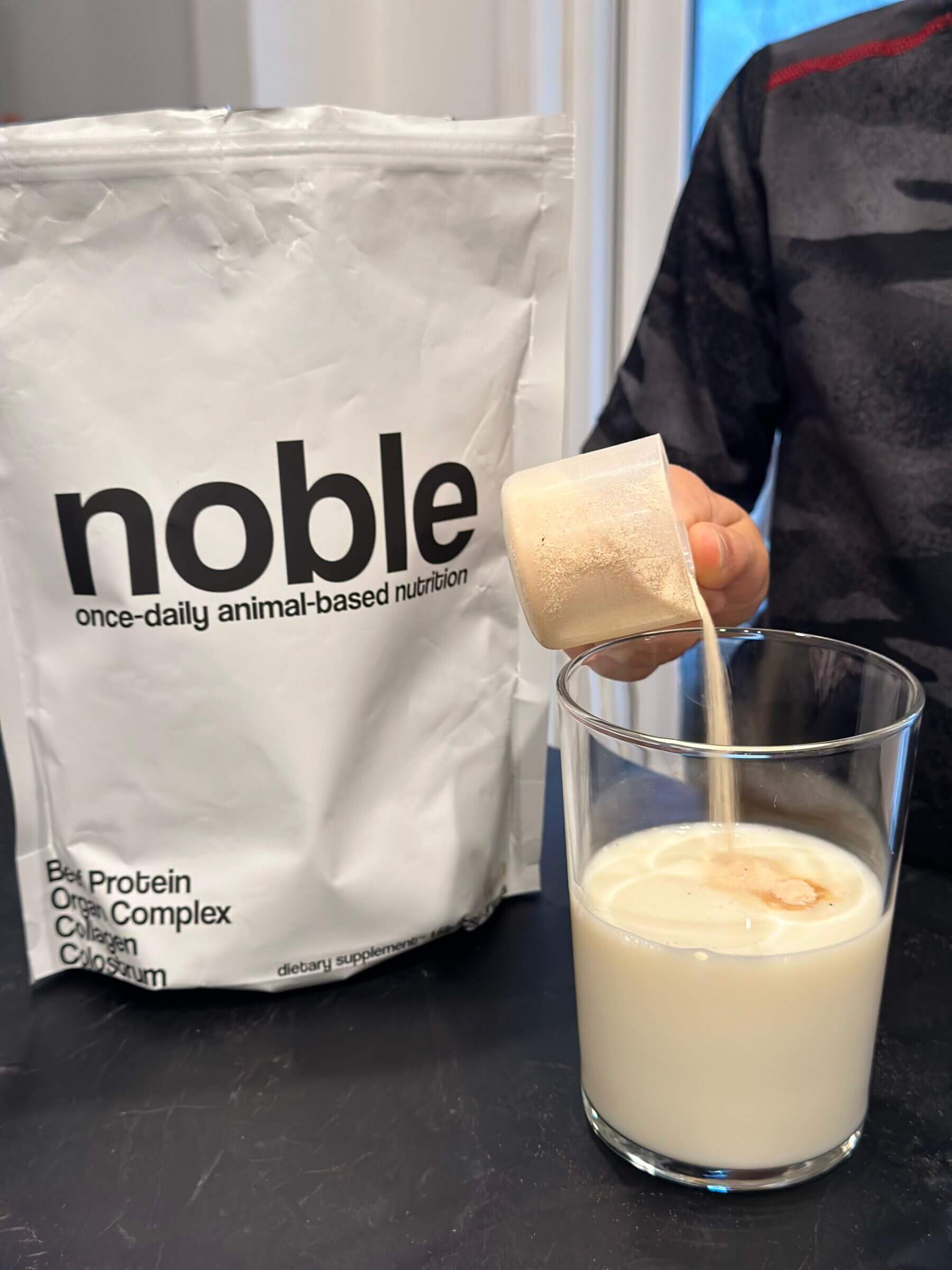
When it comes to taste and texture, whey protein usually has the upper hand. It dissolves easily in water and mixes into a smooth, milkshake-like consistency. Most whey products also come in several flavors, which makes them easy to enjoy daily without getting bored.
Beef protein powders are a little different. Their texture and taste depend heavily on how they’re made and what parts of the cow the protein comes from.
Some unflavored powders have a neutral taste, while others have a slightly thicker consistency or a mild, “brothy” flavor. That’s not necessarily a downside, but it can take some trial and error to find one that suits your preferences.
Of course, you can always opt for flavored versions. Just ensure that the product you choose doesn’t contain any artificial flavors, emulsifiers (e.g., lecithin) or funky sweeteners.
I like mixing beef protein powder with simple, nutrient-dense liquids such as homemade kefir, raw milk, or just cold water. If I want something more filling, I’ll blend it with ice, salt, and mold-free coffee for a quick and satisfying shake.
Whey tends to blend well in both cold and warm liquids. Beef protein sometimes requires a little more shaking or blending to achieve the same smoothness (primarily because it lacks the emulsifiers and/or gums that many whey powders contain).
Ultimately, taste and mixability come down to personal preference. If convenience and creamy texture matter to you, a clean whey isolate will win the day. If you prefer a simple, minimally processed product that aligns with an animal-based lifestyle, beef protein is the better choice.
Use Cases and How to Choose

How you use protein powder should depend on your goals, diet, and how well your body tolerates different sources. Both beef and whey protein can help you meet your protein needs, but each one shines in slightly different scenarios.
Building Muscle and Strength
If your goal is to build muscle, both beef and whey protein can help you achieve it. Whey isolate may provide a faster amino acid spike after training because it digests more quickly, which can be beneficial immediately after a hard lifting session. However, studies have shown that protein timing is much less critical for muscle growth than overall protein intake.
Beef protein isolate, on the other hand, digests more gradually, which can help sustain amino acid availability over a longer window.
If you already get plenty of leucine and other essential amino acids from whole foods (which I do), the difference in absorption rate between the two isn’t a dealbreaker.
I often drink my beef protein shake after a full meal, which provides a mix of quick and slow-digesting proteins that help maintain elevated muscle protein synthesis for hours.
Weight Management and Satiety
If you’re trying to lose fat or maintain body composition, protein plays a key role in appetite control and metabolic rate. Both whey and beef protein powders are high in protein and low in carbs and fat, which makes them suitable for cutting phases or intermittent fasting windows.
Because beef protein digests more slowly, it is slightly more satiating. If you tend to get hungry soon after consuming a shake, beef protein may help you stay fuller longer, especially when mixed with raw milk or kefir.
At the same time, whey protein powders are much more common, and there are plenty of mass-market versions that are loaded with sugar. Obviously, avoid these if weight loss or management is your goal.
Recovery and Joint Support
One area where beef protein isolate clearly stands out is its benefits beyond muscle recovery.
Thanks to its higher levels of glycine and proline, it supports collagen synthesis, joint health, and the repair of connective tissue. That makes it a smart addition for anyone who trains hard, lifts heavy weights, or simply wants to stay pain-free as they age.
Whey still contributes to recovery, of course, but its primary strength lies in rebuilding muscle tissue, not connective tissue.
Dairy Tolerance and Lifestyle Fit
If you tolerate dairy well, a clean whey isolate is a convenient, widely available, and proven option. However, if you follow an animal-based or dairy-free diet, or simply want to avoid unnecessary additives, beef protein isolate is a better fit. It’s also an easy way to stay consistent with an ancestral eating pattern, whether you’re traveling or on a busy day.
Practical Takeaway
Both proteins can play a valuable role in your diet. The key is to view them as tools rather than replacements for real food. Use whey when you need something fast and light after training, and use beef protein to round out your total intake and support connective tissue health.
If you already eat plenty of ruminant meat, organs, and eggs, you’re covering your bases. From there, the best protein powder is simply the one your body digests well and that fits seamlessly into your daily routine.
Beef and Whey vs. Plant-Based Protein
I know some people reach for plant-based protein powders, thinking they’re a cleaner or more sustainable alternative. The reality is that most plant-based proteins are nutritionally inferior to animal-based sources and come with potential contaminants that aren’t often discussed. (See my article comparing plants vs. meat for a deeper dive.)
Incomplete Amino Acid Profile
Plant proteins (such as pea, rice, or soy) generally have incomplete amino acid profiles, meaning they lack one or more essential amino acids. Some are low in leucine or methionine, while others are missing lysine or tryptophan. Manufacturers often blend multiple plant proteins to compensate, but even then, the result rarely matches the amino acid density or bioavailability of beef or whey protein.
Lower Digestibility and Absorption
Another issue is digestibility. Plant proteins typically contain antinutrients, such as lectins and phytates, which can bind to minerals and interfere with digestion. Studies have shown that the absorption rate of plant-based proteins is significantly lower than that of animal-based ones. That means you have to consume more plant protein to get the same usable amino acids you’d get from beef or whey. However, by doing so, you also ingest more antinutrients that effectively block the absorption of key minerals from the food you consume.
Contamination and Heavy Metals
Consumer Reports and other independent testing agencies have repeatedly found that many plant-based protein powders are contaminated with heavy metals, including lead, arsenic, and cadmium. Plants naturally absorb these compounds from the soil, and when their protein is concentrated into powder, those contaminants are also concentrated. Animal-based proteins, particularly those from grass-fed sources, are far less likely to carry the same toxic load.
The Bottom Line on Plant-Based Powders
If you’re avoiding animal products entirely, a well-formulated plant-based protein blend might help you hit your daily protein target. But if your goal is to support muscle growth, recovery, and long-term health, animal-based proteins like beef protein isolate and whey protein are clearly superior.
Both provide a complete amino acid profile, high digestibility, and minimal risk of contamination. They also align better with how the human body has evolved to digest and utilize protein.
Summary and Final Verdict
If you follow an animal-based diet centered on ruminant meat and organs, beef protein isolate is a nearly perfect complement. It digests easily, supports joint and connective tissue health, and keeps you consistent with how humans are designed to eat. It’s also a smart option for anyone who doesn’t tolerate dairy well or simply wants to avoid unnecessary additives.
If you tolerate dairy and want a fast-digesting protein with a high leucine content, whey isolate remains one of the best tools for accelerating recovery and muscle growth after training. Just make sure you choose a clean product without artificial flavors, gums, or emulsifiers.
At the end of the day, protein powders are precisely what their name suggests — supplements. They exist to help you fill small nutritional gaps, not to replace real food. While I’ve used both beef and whey protein powders over the past two decades, I naturally gravitate towards beef protein because it aligns best with my dietary framework.
However, if you focus on eating high-quality ruminant meat, organs, and eggs as your foundation, either protein powder — or both — can be a valuable addition to round out your daily intake and help you stay strong, recover quickly, and thrive.

Michael Kummer is a healthy living enthusiast and CrossFit athlete whose goal is to help people achieve optimal health by bridging the gap between ancestral living and the demands of modern society.